Chasmal Fear Review (PC)
Chasmal Fear (PC)

Release: April 17, 2025
Publisher: Wandering Wizard
Developer: MystiveDev
Genre:
PEGI: 18
Comments:
Publisher: Wandering Wizard
Developer: MystiveDev
Genre:
PEGI: 18
Comments:
There’s something uniquely terrifying about isolation beneath the sea. The pressure, the darkness, the sense that you’re somewhere you were never meant to be. Chasmal Fear, developed by MystiveDev and published by Wandering Wizard, taps into that primal unease and delivers a survival horror experience that’s as atmospheric as it is ambitious. Built in Unreal Engine 5 and presented through a gritty bodycam perspective, the game invites players into the submerged city of Magnus—a place that once thrived, now overrun by mutated horrors.
From the moment you step into Magnus, the game makes its intentions clear. You’re not a superhero. You’re not a space marine. You’re a vulnerable human with limited resources, trying to survive in a place where everything wants you dead. The tension is palpable, and it rarely lets up.
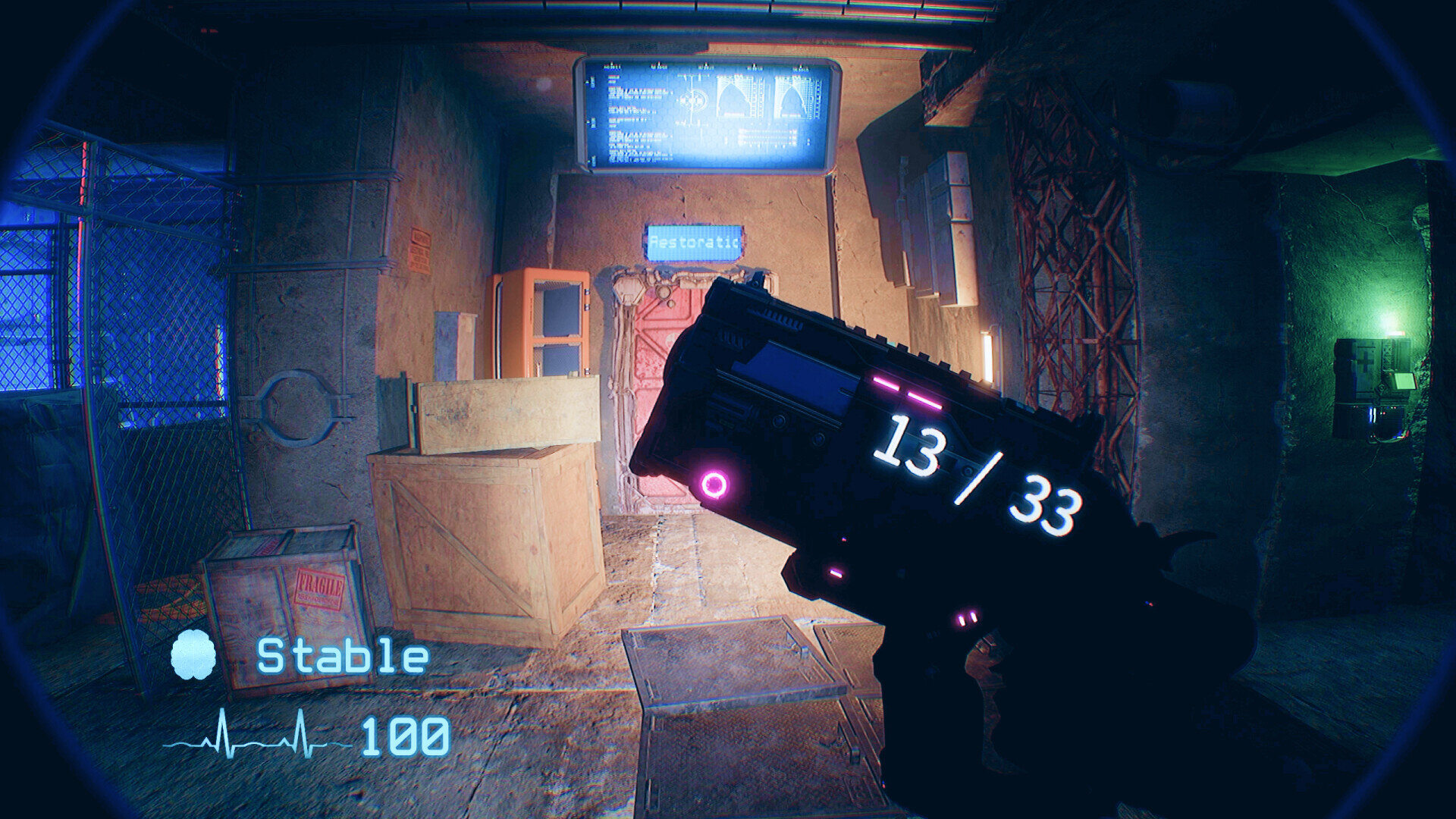
Unlike many horror games that rely on jump scares or scripted sequences, Chasmal Fear leans heavily into tactical gameplay. You’re given a pistol and your choice of either a shotgun or rifle, and that’s it. Ammo is scarce, health packs are precious, and every encounter feels like a gamble. What sets the game apart is its mutation mechanic—enemies don’t just die. If you don’t finish them off properly, they can evolve mid-fight into something far more dangerous. It’s a brilliant system that forces you to think carefully about every shot you take.
The game’s procedural design adds another layer of complexity. Your choices matter. Sneaking past enemies instead of engaging them might mean fewer supplies later on, but it could also result in less aggressive foes. Conversely, going in guns blazing might make future encounters more intense. It’s a delicate balance, and one that encourages multiple playthroughs to see how different strategies play out.
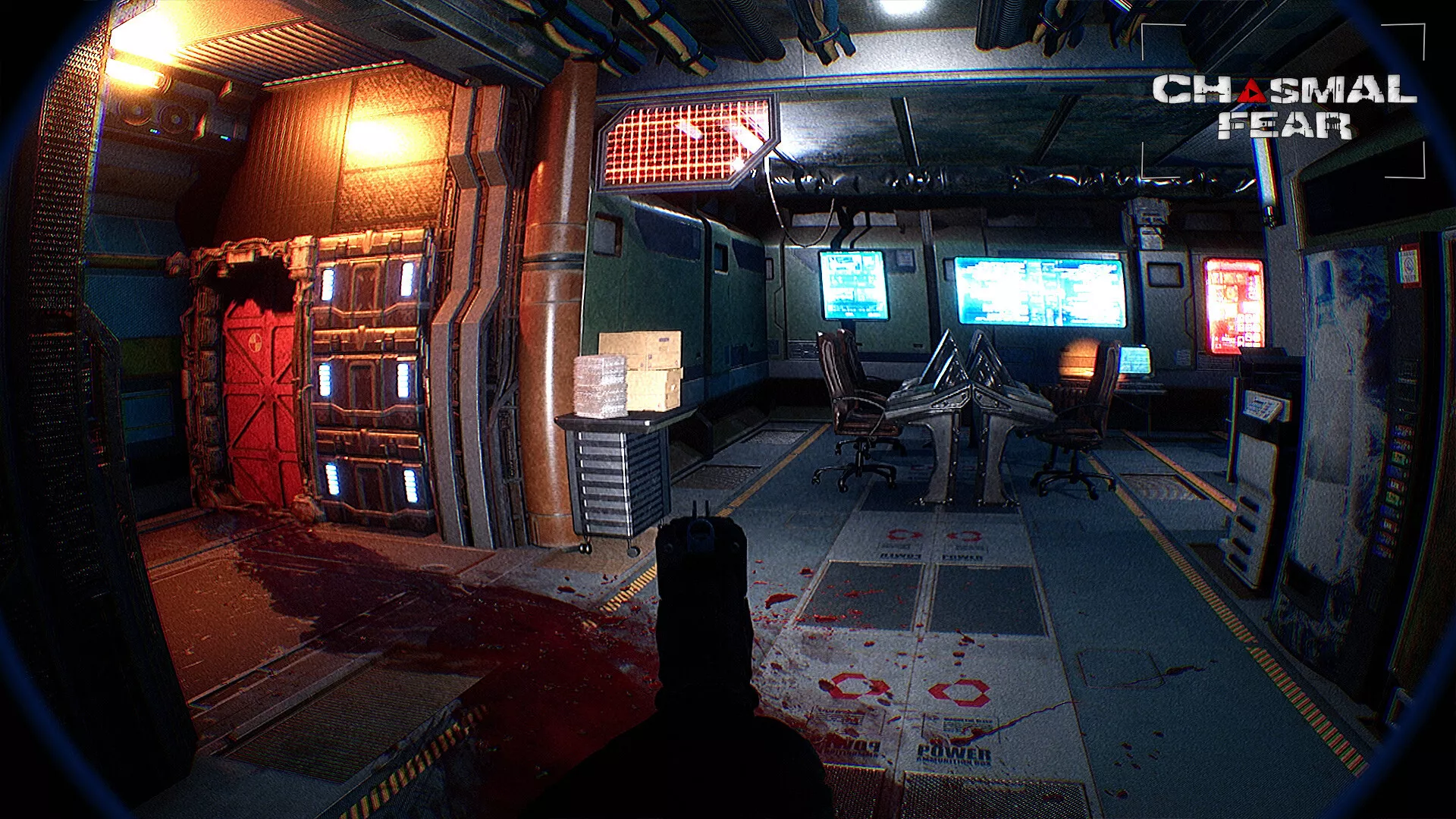
Visually, Chasmal Fear is stunning. The underwater setting is rendered with eerie beauty—flickering lights, claustrophobic corridors, and the ever-present hum of machinery create a sense of dread that’s hard to shake. The bodycam perspective, while not universally loved, adds to the immersion. It feels raw and unfiltered, like you’re watching found footage from a doomed expedition.
That said, the bodycam isn’t without its drawbacks. Some players have reported motion sickness, and the camera can feel sluggish during fast-paced combat. It’s a bold choice, and while it doesn’t always land perfectly, it’s commendable for trying something different in a genre that often plays it safe.
The narrative in Chasmal Fear is subtle, delivered through scattered notes, emails, and environmental storytelling. You’re piecing together what happened to Magnus and its inhabitants, and the game doesn’t spoon-feed you answers. It’s a slow burn, and while some players might find the story hard to follow—especially during tense moments—it fits the tone of the game. You’re not here to be entertained; you’re here to survive and uncover the truth, one fragment at a time.
One of the game’s standout features is its two-player co-op mode. Bringing a friend into the nightmare changes the dynamic entirely. The enemy AI adapts to your teamwork, making encounters more unpredictable and intense. It’s not just about doubling your firepower—it’s about coordinating, communicating, and making sure neither of you becomes the weak link. For players who enjoy shared horror experiences, this mode is a welcome addition.
Chasmal Fear isn’t perfect. The gunplay can feel clunky, movement is occasionally sluggish, and the bodycam perspective won’t be for everyone. But what it lacks in polish, it makes up for in atmosphere, innovation, and heart. This is a game made by developers who clearly love the genre and wanted to push its boundaries.
At an MSRP of $19.99 on Steam, Chasmal Fear offers tremendous value for horror fans looking for something fresh. It’s a game that rewards patience, strategic thinking, and a willingness to embrace discomfort. If you’re a fan of titles like Dead Space, Bioshock, or Amnesia, this underwater nightmare might be exactly what you’re looking for.
Trailer
Article By Kevin Austin