The 18th Attic – Paranormal Cat Horror Game Review
Horror games don’t need monsters constantly screaming in your face to be effective. Sometimes, all they need is a single room, a few things that don’t look quite right, and the uncomfortable feeling that you might be missing something important. The 18th Attic understands that better than most.
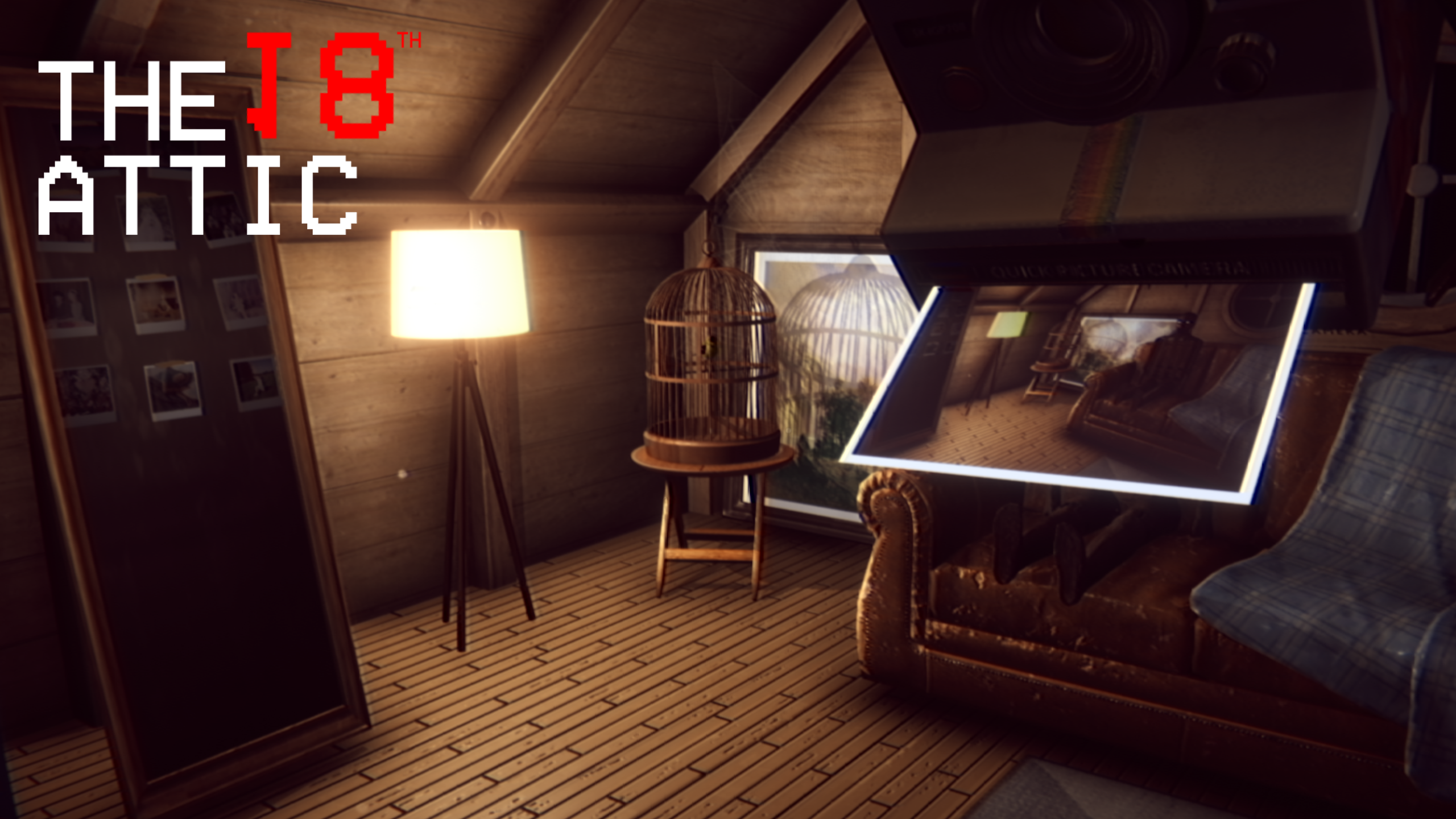
Developed by Steelkrill Studio, this psychological horror game drops you into a looping attic and asks you to do one simple thing: pay attention. You’re stuck reliving the same space over and over, armed only with a Polaroid-style camera, trying to spot paranormal changes before they spot you. It’s a familiar idea on paper, but the way The 18th Attic handles it feels thoughtful, focused, and quietly unnerving.
The attic itself is small, cluttered, and deeply uncomfortable in a very believable way. Old furniture, dusty boxes, personal belongings—everything looks like it belongs there, which makes it all the more disturbing when something shifts. A chair might be slightly out of place. A shadow might linger longer than it should. A sound you swear wasn’t there before suddenly echoes behind you. The game thrives on subtle changes, and it constantly messes with your confidence. You’re not just scared of what’s happening—you’re scared of being wrong.
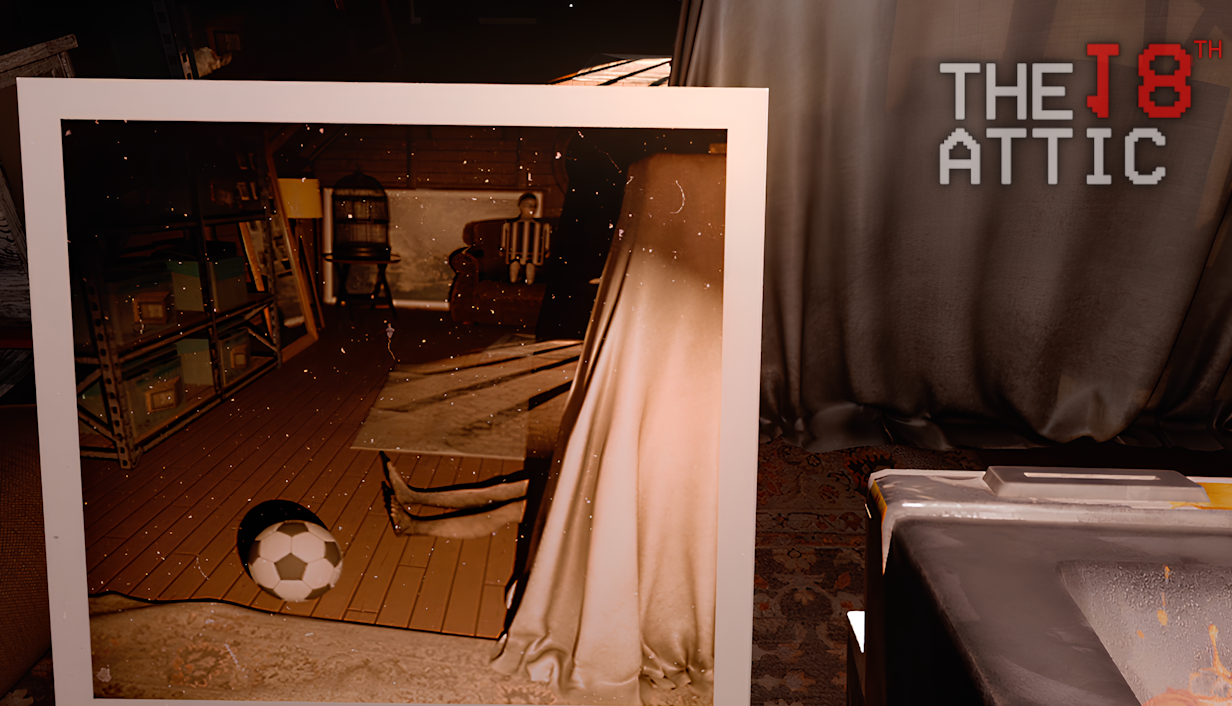
Your main tool is the instant camera, and it’s more important than it first appears. Film is limited, so every photo matters. Take a picture of something normal, and you’ve wasted a precious resource. Hesitate too long, and you risk missing an anomaly entirely. It creates a steady, low-level stress that never really goes away. You’re always second‑guessing yourself, wondering if that object really moved or if your nerves are just getting the better of you. When you finally climb the ladder at the end of a loop and nothing attacks you, the relief feels earned.
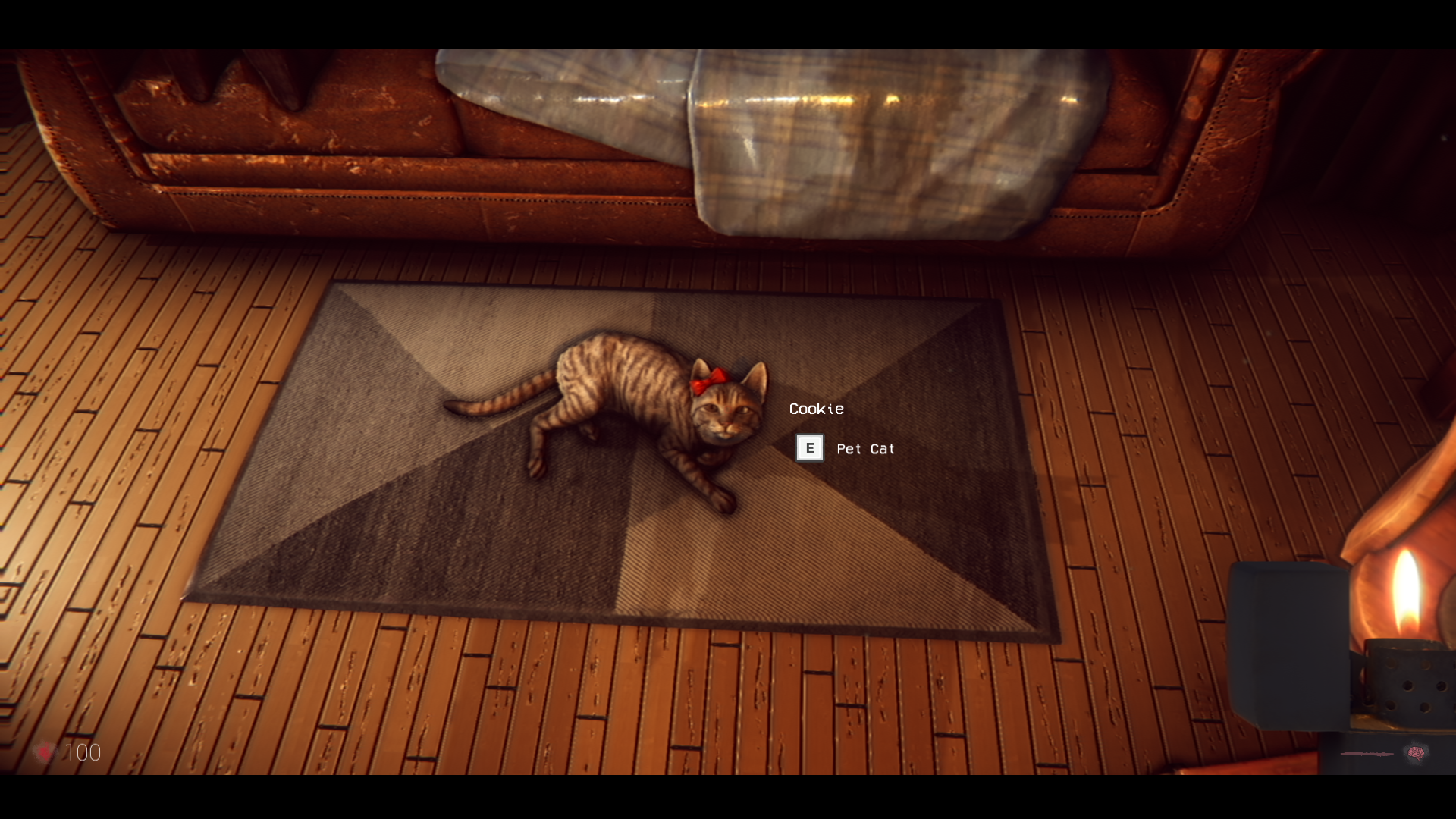
One of the most memorable parts of The 18th Attic is also its strangest: your cat. Sanity plays a role here, and the only way to restore it is by petting your feline companion. It sounds like a gimmick, but it works surprisingly well. In the middle of all this tension, stopping to pet your cat feels grounding. It’s a small, quiet moment of comfort in a place that offers very little of it. The contrast makes the horror hit harder once you step back into the attic.
The story unfolds slowly, told through environmental details and memories unlocked by successful photographs. You piece together fragments of the protagonist’s past—his life, his relationship, and the tragedy that brought him here. It’s not an overly complex narrative, and it doesn’t try to be. Instead, it gives emotional weight to the space and the objects around you, making the attic feel personal rather than just spooky set dressing.
Visually, the game keeps things grounded and realistic. This isn’t flashy horror, and it doesn’t need to be. The lighting does a lot of the heavy lifting, especially when shadows start to feel just a little too intentional. Sound design is where the game really shines. Floorboards creak, distant noises echo without explanation, and subtle audio distortion creeps in as your sanity drops. With headphones on, the attic feels uncomfortably close, like it’s pressing in on you.
The 18th Attic offers two modes: Story and Chase. Story mode leans more into atmosphere and exploration, letting the tension build slowly. Chase mode ramps things up by allowing threats to pursue you at any time, turning that quiet paranoia into full‑blown panic. Both modes share the same story content, which is a nice touch—it lets you choose how intense you want the experience to be without missing anything important.
That said, the game knows its limits. If you’ve played a lot of anomaly‑hunting horror games, the structure will feel familiar. It’s also a relatively short experience, and players looking for complex puzzles or combat won’t find much of that here. But The 18th Attic never feels like it’s trying to be more than it is. It focuses on atmosphere, observation, and psychological tension—and it sticks to that vision confidently.
In the end, The 18th Attic is proof that horror doesn’t need to be loud to be effective. Its scares come from doubt, memory, and the fear of making a mistake. The addition of the cat isn’t just a cute novelty—it adds warmth and humanity to an otherwise cold, unsettling experience.
If you enjoy slow‑burn psychological horror, anomaly‑spotting gameplay, and games that trust you to stay engaged without constant hand‑holding, The 18th Attic is well worth stepping into. Just don’t be surprised if you find yourself questioning your own memory long after you’ve left the attic behind.
Article By Kevin Austin