The Benefits of Playing Board Games
Board games have always been popular, although most people think about Monopoly, Scrabble or Clue. Modern board games are a bit more niche, but are becoming increasingly sought after experiences for families and friends. Are there good benefits to playing board games?
Version 1.0.0
One reason I know that board games are becoming more popular? Walk into a café in Berlin, a library in Toronto, or a living room in São Paulo, and you’re as likely to see people hunched over cardboard and wooden pieces as glowing screens. Board game cafes are wildly popular across the globe, even in my small city of less than 50,000 people. It is on the rise, and I’m here for it!
At their core, board games offer something increasingly rare: face to face interactions void of screens and special effects. As people are increasingly frustrated by their screen time, they latch onto something else – and that something else is board games.
Unlike digital games, which often isolate players even when they claim to connect them, board games require face-to-face interactions. It is such a different experience as well. It’s not just about what you see on a screen when playing multiplayer games, it’s their movements, their hesitations, what they almost do on the board and then stop. There is so much more to read; so while it is more social, it’s also more strategic!
There’s also the cognitive workout. Good board games are exercises in decision-making, probability, memory, and adaptability. Whether you’re negotiating alliances in a strategy game or managing limited resources in a cooperative one, you’re constantly weighing risk against reward. And even educators have noticed. Classrooms increasingly use board games to teach logic, math, language, and even ethics. A well-designed game can introduce complex systems—economics, ecology, governance—without a single lecture. Players learn because they want to win, not because they’re told to study.
The benefits here are for everyone, too! For adults, especially older ones, board games can be a quiet defense against cognitive decline. Studies on aging consistently point to the value of mentally stimulating leisure activities, particularly those with a social component. An evening spent playing cards or strategy games isn’t just entertainment; it’s mental maintenance. I’ve noticed on a personal level that when I’m playing games regularly, I’m in a much better place when it comes to mental capacity and problem solving.
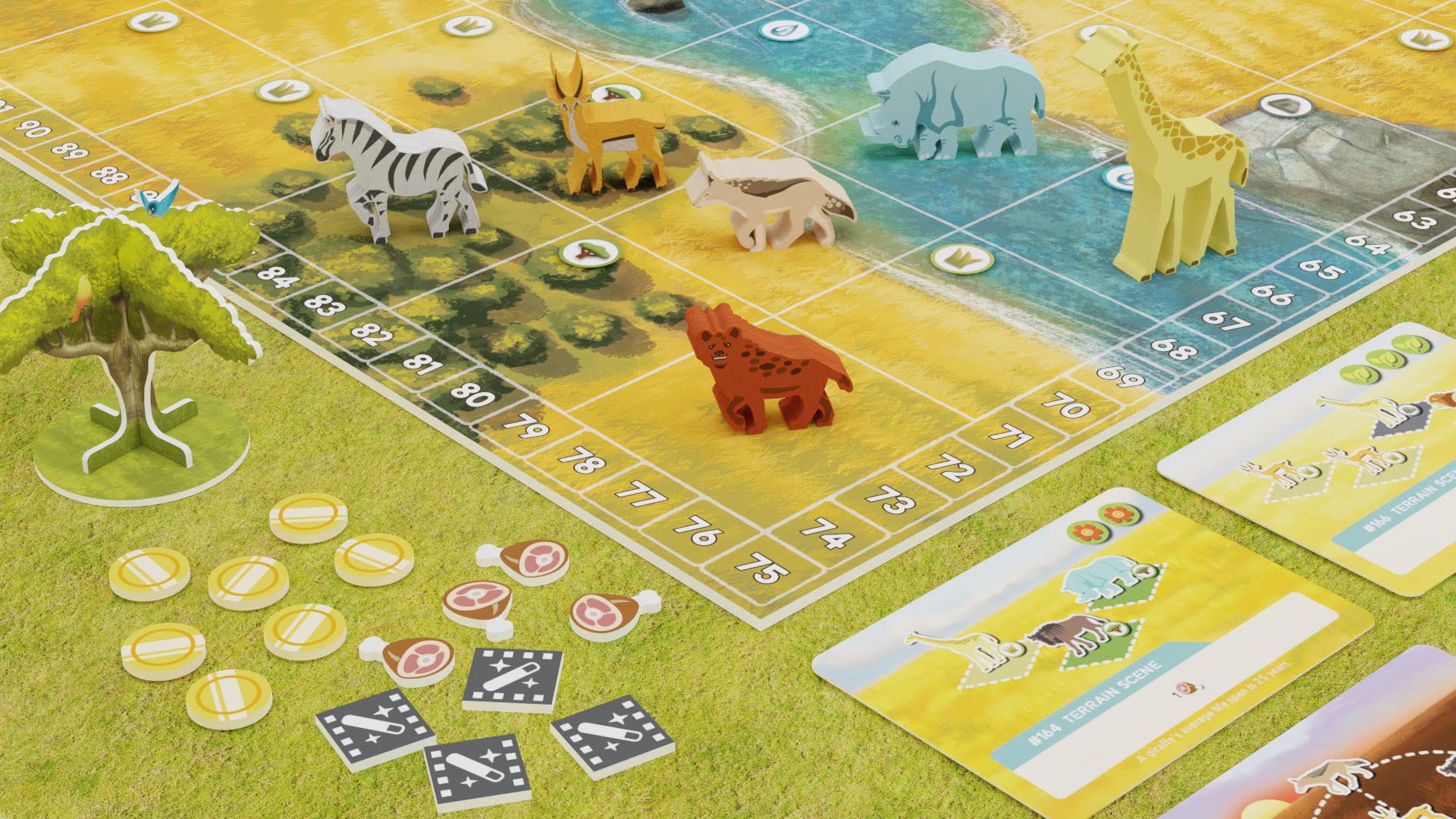
The modern board game renaissance has also broadened who feels welcome at the table. The stereotype of games as niche or exclusionary has eroded as designers explore diverse themes, narratives, and play styles. We have games about animals, books, cars, robots…you name it, there is a game about it! Cooperative games replace zero-sum competition with collective problem-solving. Story-driven games invite empathy, asking players to inhabit lives far from their own. Accessibility has improved too, with clearer rules, better design, and communities eager to teach newcomers.
I’m always excited when I get the opportunity to play games with others – there is no better feeling than sitting down with friends for good conversation and fun board games!
Article By Adam