Gwent Board Game Review
absolutely love The Witcher 3: Wild Hunt, and still regard it as one of the best games I’ve ever played. Since it first launched in 2015, I have come back to the game again and again. One game-within-the-game is Gwent, a card game played with cards you would collect on your travels. Hachette sent me home from GenCon 2025 with a copy of Gwent, the physical card game, and now I’m here to let you know whether it holds up to the video game version or not.
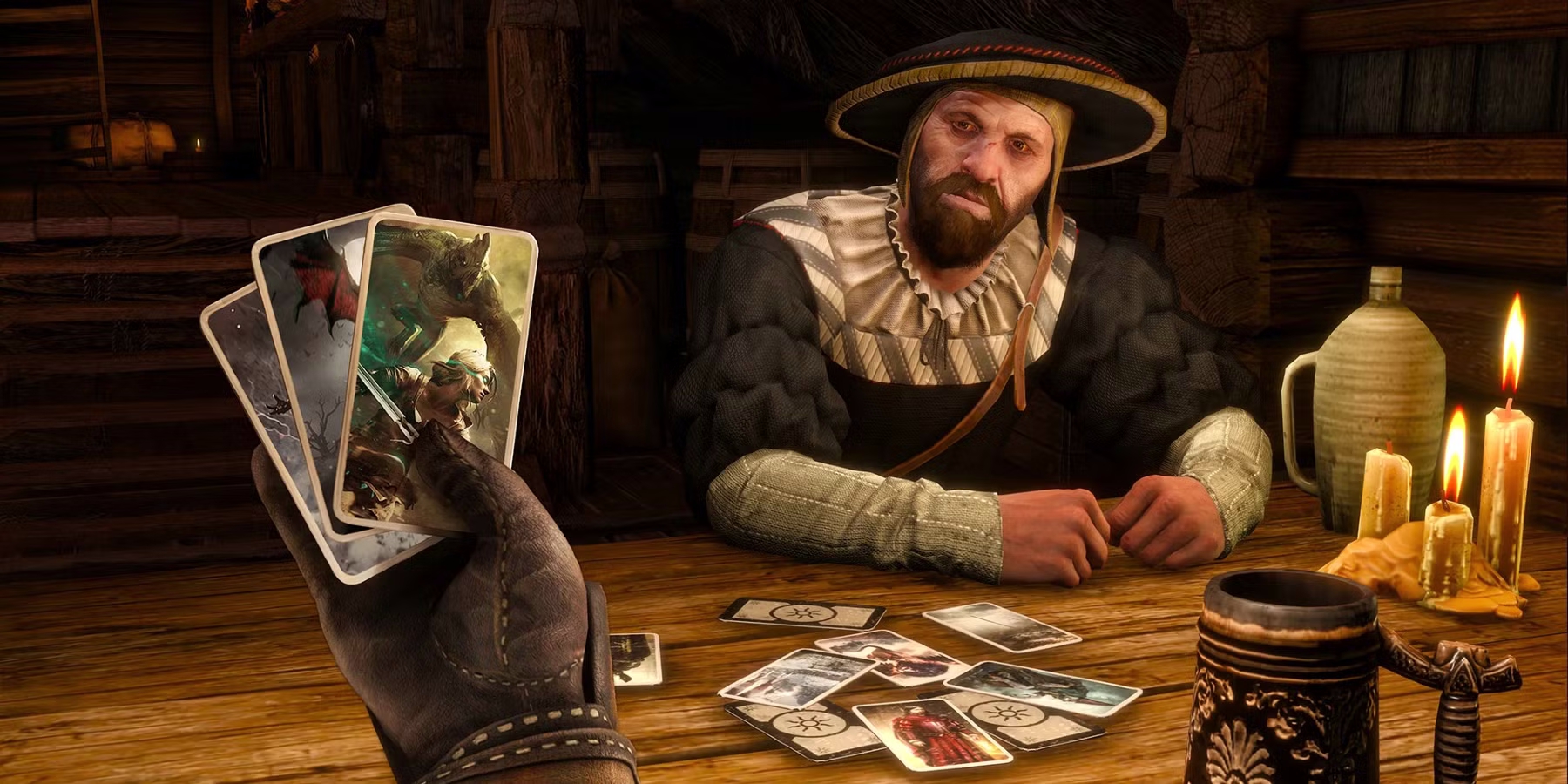
In a nutshell, Gwent is played over a series of rounds and in a 2-Player game (which is what I’m primarily reviewing) you are trying to be the first person to win 2 rounds. Each players starts the game with 10 cards, and outside of card draws because of abilities, these are the only 10 cards you will have. The game is a tactical masterpiece in my opinion, as players attempt to play their best cards at the right time, and counter enemy cards when necessary. With only 10 cards to work with, you need to be very strategic in how you play them.
What made Gwent so much fun in The Witcher 3: Wild Hunt wasn’t necessarily playing the game at various taverns or along the road, but actually collecting the cards from quests, merchants and more. The deck you built in the video game really felt like yours as you purchased or won cards to add to what you already had. While that is obviously lost in the physical card game, the strong gameplay still stands here.
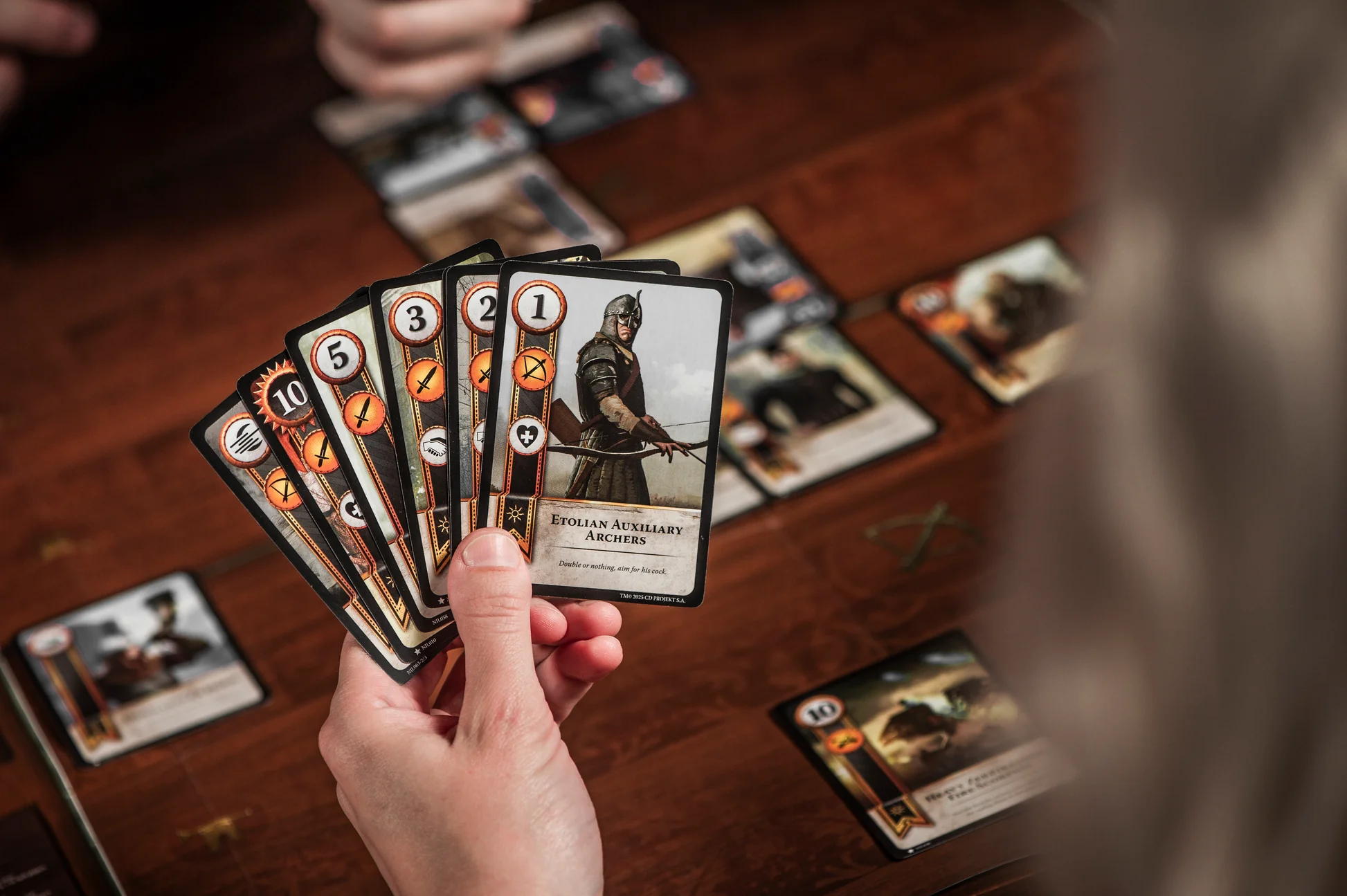
Players will each have a leader with a special ability, and will play cards to one of three rows: the front row is for melee units, the second row for archers, and the third row for siege units. The goal is to have the most points worth of units on the battlefield, with the knowledge that certain powers or weather cards could impact a row. For example, there are cards that will make the value of cards in one row all equal to 1, instead of their printed value.
Playing these cards tactically is something that takes practice, and making sure your deck has a good balance of strong units and powerful abilities is important as well. AFterall, you’ll have a larger deck of cards but you only draw 10!
At the core, I think this version of Gwent is almost a direct remake of what is in the Witcher 3: Wild Hunt. It was a really strong card game there and a really strong card game in physical form. The artwork on the cards is phenomenal as well, and I like that the game includes a paper mat for players to use.
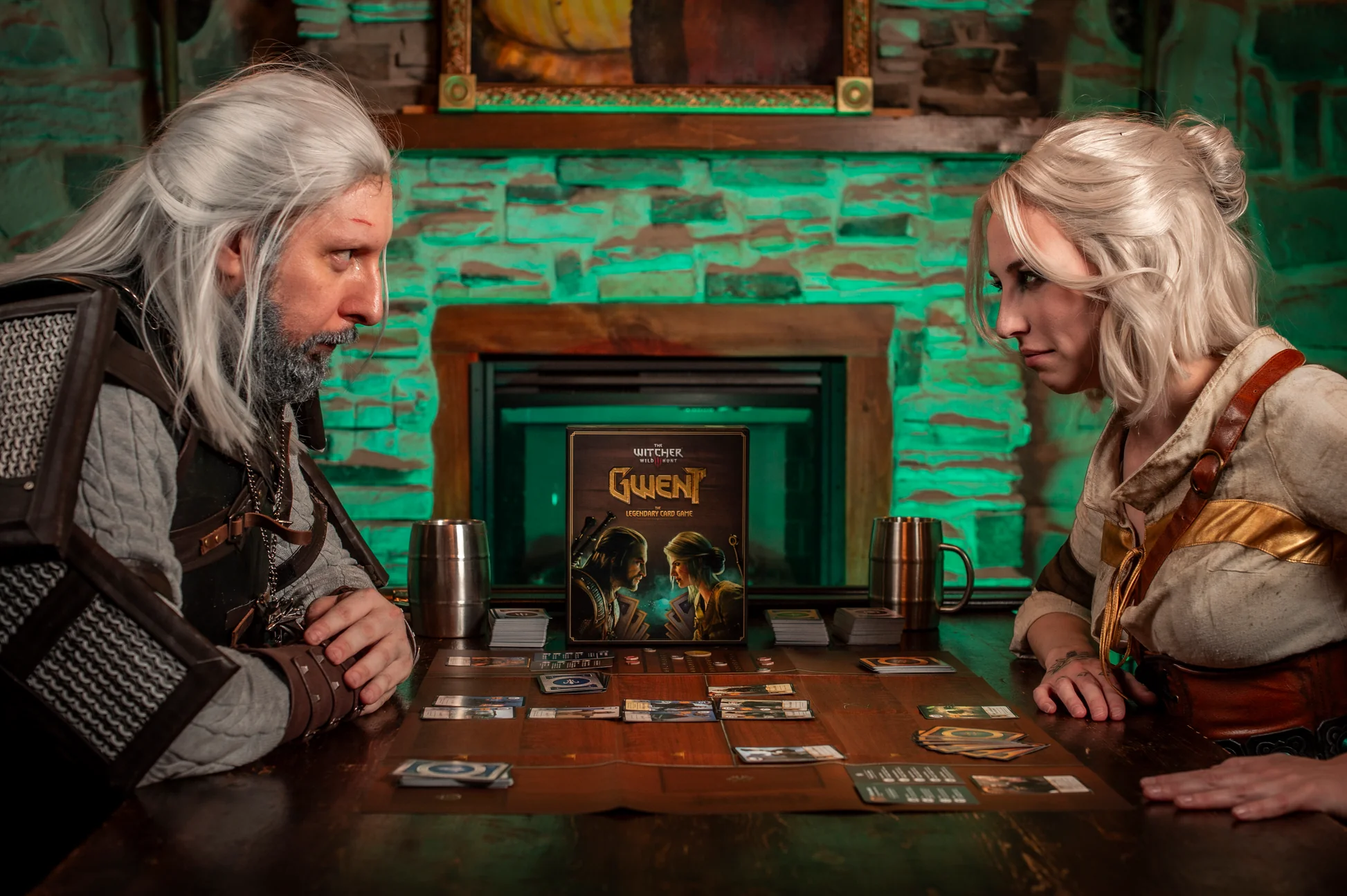
The only downside of the core 2-Player experience is that I think the rulebook could be a lot better. If you’ve played Gwent recently before, then it won’t be much of an issue, but if you didn’t understand the concepts because you perhaps never played the game, then fumbling through the rulebook for answers was a bit more work than I wanted it to be. Still, I think the 2-Player version of this is spectacular, whether you have knowledge of The Witcher or not!
As you can tell, I’ve stressed playing at 2 a lot, and for good reason. I know that other reviewers disagree with me – please read their opinions for a more positive outlook – but I think Gwent at 3 or 4 players is a disaster.
I found that, especially at 3, the game turned into a 2-Player game with a third player either doing really poorly, or ultimately getting to decide who wins between the other two. I’ve had good experiences where everything felt really balanced, but more often than not the game felt weighted towards two players while another(others) were more of tag-alongs. It is an option if you want it, but it wouldn’t be my recommendation to play at more than 2-players.
Article By Adam Roffel