Apartment No. 129 Review
Apartment No. 129

Publisher:
Developer:
Genre:
PEGI:
Comments:
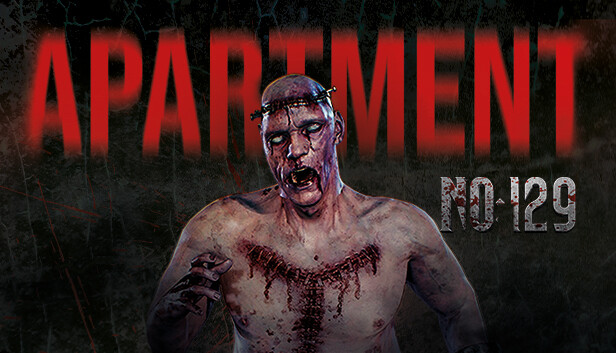
Apartment No. 129 begins with the kind of premise that instantly sparks curiosity. Inspired by a 2009 Turkish urban legend involving two girls who allegedly performed a dark ritual followed by a mysterious, unrecorded “earthquake,” the game leans heavily into the folklore that surrounds the now‑abandoned apartment building. You play as Emir, a content creator who enters the sealed building hoping to film something that will propel his channel to viral fame. Unsurprisingly, his exploration quickly devolves into a fight for survival as he uncovers the truth behind what happened inside those walls.
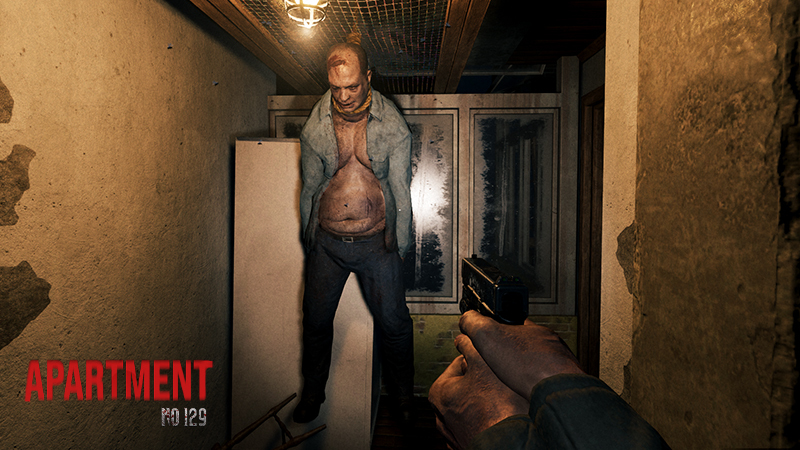
Once inside the apartment, the atmosphere immediately takes over. Narrow, dimly lit hallways, flickering bulbs, distant creaking, and shadowed corners create a sense of place that’s genuinely unsettling. The soundscape contributes heavily—soft whispers, sudden thuds, and eerie ambient noises signal that something unnatural lingers just out of sight. The tension is heightened further by immersive controller feedback on PS5, with haptics and trigger resistance making footsteps, reloading, and moments of panic feel physically grounded. Despite its flaws, the game succeeds at creating an environment that can get under your skin in all the right ways.
Unfortunately, the moment you attempt to move or look around, the illusion cracks. The default camera sensitivity is so extreme that the game feels nearly impossible to control until you dig into the settings and drastically reduce it. Even after taming the camera, the control mapping remains awkward. Basic actions require unintuitive button combinations, interacting with objects feels clumsy, and navigating documents or notes is far from smooth. The game’s text is also often too small and disappears too quickly, which makes absorbing the lore—one of the game’s strengths—much harder than it should be.
Combat, meanwhile, feels more like an obligation than an integrated gameplay system. Whether you’re swinging an axe or firing a pistol, there’s almost no sense of impact. Strikes lack feedback, enemies barely react, and encounters become more frustrating than frightening. Several sequences highlight this issue, especially as the game often relies on confrontation to raise the stakes. Resource mechanics also lack consistency—your flashlight drains batteries rapidly, yet the pistol’s attached light never seems to run out, undermining any sense of careful resource management.
Technical issues further complicate the experience. In some cases, objects behave inconsistently: cupboards may produce an opening sound but never actually open, preventing access to needed items entirely. Problems like these interrupt pacing and weaken immersion, especially in a horror game where environmental interaction is essential.
The overall narrative, however, does hold surprising strength. As you piece together notes, confront manifestations of the past, and unravel the story behind the girls’ ritual, there’s a genuine sense of mystery pulling you forward. The branching endings and moral decisions provide additional depth, and the real‑world cultural backdrop gives the story a personality that sets it apart from typical Western‑centric horror games. But even here, the uneven translation and inconsistent text quality can make the story harder to appreciate than it deserves.
Playtime varies depending on how thoroughly you explore. Some players will finish in two to three hours, while others may take four to six if they dig into the lore and pursue alternate endings. The pacing generally works well for a compact horror experience, but the technical limitations on PS5 can extend (or hinder) progress in ways that feel unintentional.
There’s also a noticeable gap between the console and PC versions. The PS5 release can feel unstable or even nearly unplayable to some players, while the PC version appears to run more smoothly and consistently. This disparity makes the console version difficult to recommend without caveats, especially since so many of its issues lie squarely in controls and performance. So if possible stick to a PC version to play through.
In the end, Apartment No. 129 is a horror game with genuine potential. Its eerie atmosphere, cultural roots, and emotional undertones give it a haunting identity. But on PS5, those strengths are constantly overshadowed by technical friction, clunky controls, and design inconsistencies. There’s an intriguing horror story buried within the experience—you just have to be willing to wrestle with the game to reach it. For some, that may be worth the effort. For many others, the obstacles may prove too distracting to fully enjoy what the game does well.
Article By Adam