Hades II Review
Hades II

Publisher: Supergiant Games
Developer: Supergiant Games
Genre:
PEGI:
Comments:
When Hades II finally left Early Access and launched in full, it didn’t just meet expectations—it shattered them. Supergiant Games has delivered a sequel that feels bigger, bolder, and more refined than its predecessor, without losing the magic that made the original a modern classic. This isn’t just more of the same; it’s a thoughtful evolution of the formula, layered with new systems and a complete story that rewards persistence and curiosity.
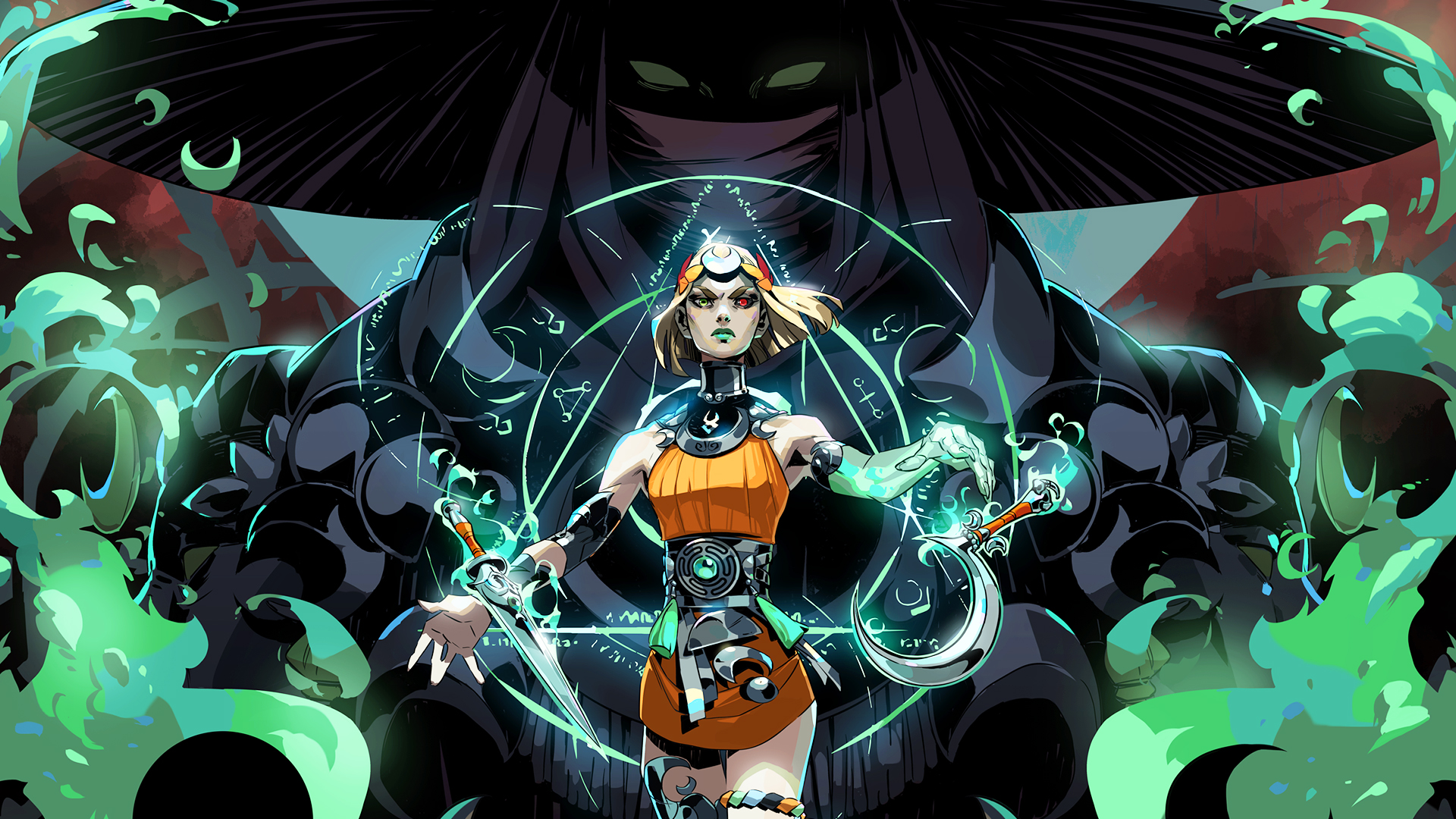
From the moment you step into the shoes of Melinoë, the game signals its intent to change the rhythm of combat. Unlike Zagreus, whose dash-heavy style encouraged aggressive play, Melinoë introduces a tactical edge. Her Magick meter powers Ω-charged versions of attacks, specials, and casts, turning every encounter into a dance of timing and positioning. It’s a subtle but profound shift that makes fights feel fresh and strategic, without overwhelming players with complexity.
The Olympian pantheon returns, joined by new faces like Apollo, Hestia, and Hephaestus, expanding the pool of boons and duo combinations. The balance at launch feels tight—whether you’re stacking damage-over-time effects or leaning into bursty Ω combos, there’s room for experimentation. Hidden Aspects and Godsent Hexes, introduced during the game’s final Early Access updates, add even more depth for those chasing high-level builds.
Outside of combat, the Crossroads hub is where Hades II truly flexes its roguelike design. The Mirror of Night is gone, replaced by the Arcana system—a tarot-inspired board that forces you to make meaningful choices about your build. With limited Grasp points and unlockable cards, you’re constantly weighing trade-offs and tailoring strategies to your preferred weapons. Familiars, incantations, and alchemy add layers of progression that feel ritualistic rather than grindy, tying resource gathering to a sense of purpose.
The scope of the game dwarfs the original. Biomes branch, storylines deepen, and the narrative now includes a proper ending and an epilogue that ties up loose threads while leaving room for replayability. Reactive dialogue remains a Supergiant hallmark, with dozens of fully voiced characters who respond dynamically to your successes and failures. It’s storytelling that feels alive, never static.

Presentation-wise, Hades II is stunning. The soundtrack is the studio’s most ambitious yet—nearly four hours of music that shifts seamlessly from haunting melodies to explosive crescendos. Visually, the art direction pushes further into painterly territory, with richer environments and subtle portrait animations that make every interaction feel intimate.
Performance is solid across platforms. On PC, the game runs beautifully even on modest hardware and is Steam Deck Verified, making portable play a joy. Switch players aren’t left behind either: the original model targets 60fps at 720p, while Switch 2 boasts 120fps docked and 60fps handheld. Cross-save between PC and Switch is a thoughtful touch, letting you move seamlessly between setups. PlayStation and Xbox ports are expected later, though no dates have been announced.
If there’s a blemish on this masterpiece, it’s the mid-game grind. Resource sprawl can slow momentum, and some difficulty spikes feel tuned for players who’ve invested heavily in meta-progression. These aren’t deal-breakers, but they’re worth noting if you prefer a smoother curve.
Critics have already crowned Hades II one of the year’s best, with aggregate scores hovering in the mid-90s—a rare feat for any sequel, let alone one following a game as beloved as Hades. It’s clear why: this is a roguelike that respects your time, challenges your skill, and rewards your curiosity in equal measure.
Bottom line? If you loved Hades, this is essential. If you’ve never clicked with roguelikes, Hades II might be the one to change your mind. It’s bigger, smarter, and more beautiful than ever—a triumph of design and storytelling that proves lightning can strike twice.
Article By Kevin Austin