What are Web3 games, and how do they work
Web3 games take full advantage of the gaming industry’s growing interest in cryptocurrencies and NFTs. These revolutionary games are designed to offer unique benefits for players that can’t be found in other types of games, from control over in-game assets to more secure digital transactions.
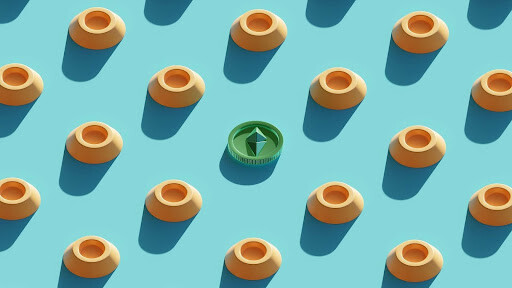 Photo by Shubham’s Web3 on Unsplash
Video game developers are constantly trying to find ways to make their products more engaging, and the perks of Web3 games allow innovative creators to push the boundaries of monetization and profitability. But what are Web3 games, exactly? How do they empower both developers and gamers? Let’s take a closer look at this new version of game design and find out why it has the potential to change the industry for the better.
What are Web3 games?
Simply put, Web3 games are built to be simultaneously fun and self-sustainable. They use blockchain technology to design in-game economies, where players can buy and sell in-game assets without the need for developer oversight or third-party validation.
Tradable in-game assets are recorded and stored on blockchain servers, which are far more efficient than traditional game servers. Blockchain servers use a decentralized network of devices instead of a centralized server, cutting operational costs for developers and giving gamers greater control over their purchases at the same time.
From a developer’s perspective, a decentralized network means that there’s no need for server maintenance or transaction validation. Every transaction on decentralized servers is secure and transparent, meaning there’s no way to alter transaction records or influence supply and demand.
As an end user, you get the best of both worlds with Web3 games. Your in-game purchases belong to you and you alone, and you can even sell those assets for profit if there’s enough demand for them. In fact, earning an income through trade is one of the major benefits of Web3 games, and some early adopters have already spent millions of dollars buying and selling NFTs.
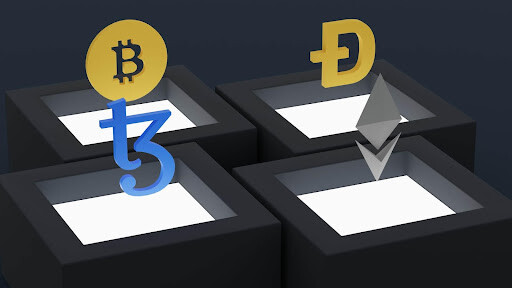 Photo by Shubham Dhage on Unsplash
Benefits of Web3
Trading assets isn’t the only benefit of Web3 games. Cryptocurrency, for example, provides entirely new avenues of monetization, allowing developers to create sustainable revenue streams that don’t rely on advertising or in-game purchases.
With Web3 games, we could see a shift in power from game developers to players, as players can buy, sell and trade assets with complete freedom. Virtual items like armor, weapons or even land can be bought and sold using cryptocurrency, and your purchasing decisions are based purely on market trends and demand.
This is where the potential value of NFTs comes in. If we think of in-game assets as NFTs, they gain value not just in-game but in the real world too. Creating content takes on a whole new meaning when in-game assets have real-world value, and NFTs are already proving their worth in several of the most popular Web3 games.
Some Web3 games, such as Axie Infinity, allow you to breed unique creatures that can be bought and sold as NFTs. Others, like Decentraland, use assets that are considered more traditional, such as cars and houses.
No matter which Web3 game we’re talking about, the aim is to create your own NFTs and sell them on decentralized marketplaces. Selling in-game assets to players is nothing new in the gaming world, but Web3 games provide the platform for market interaction on a scale we’ve never seen before.
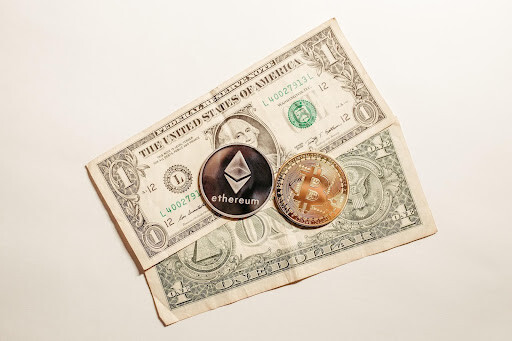 Photo by Jonathan Borba on Unsplash
The question of volatility
The main issue Web3 games must contend with is the high volatility of cryptocurrencies. Cryptocurrencies can fluctuate widely and rapidly, significantly impacting the value of NFTs and other in-game assets. Some gamers might find this off-putting, especially considering how expensive NFTs can get.
As the use of cryptocurrency becomes more widespread, volatility may decrease over time. In the meantime, some Web3 games have already implemented mitigating measures, such as using stablecoins pegged to a currency like the US Dollar.
Some games have also implemented built-in scarcity mechanics to limit the number of assets in circulation, which helps to maintain their value over time. Other games incentivize players to hold onto their assets for a certain period.
Last but not least are play-to-earn games, which reward you with in-game assets simply for playing the game. Some gamers have found a stable income this way, grinding away to earn NFTs and make a living. Earning these in-game rewards and assets through gameplay is extremely satisfying, and this type of experience can only be found in Web3 games.
Web3 games offer several major benefits to look forward to, provided the gaming industry is willing to embrace and work with the volatile nature of cryptocurrencies. These games provide a new level of ownership, control and engagement in gameplay, offering a unique way to engage with gaming that could revolutionize the industry.
Article By WMMN