Beat ’Em Up Collection (QUByte Classics) Review
Beat ’Em Up Collection (QUByte Classics)

Publisher: QUByte Interactive
Developer: QUByte Interactive
Genre:
PEGI: 12
Comments:
When QUByte Classics unveiled their Beat ’Em Up Collection, I was instantly curious. After diving in it’s clear this anthology delivers a satisfying blend of nostalgia and discovery. Rather than rehash the well-worn streets of Capcom or Sega, the package brings together seven lesser-known side-scrolling brawlers from the early ’90s, each one a snapshot of a moment when developers were still figuring out what made this genre tick. Available on PS4, PS5, Xbox One, Xbox Series X|S, Switch, and PC, it feels like a time machine that’s just as eager to teach you something new as it is to remind you why you loved beat ’em ups to begin with.
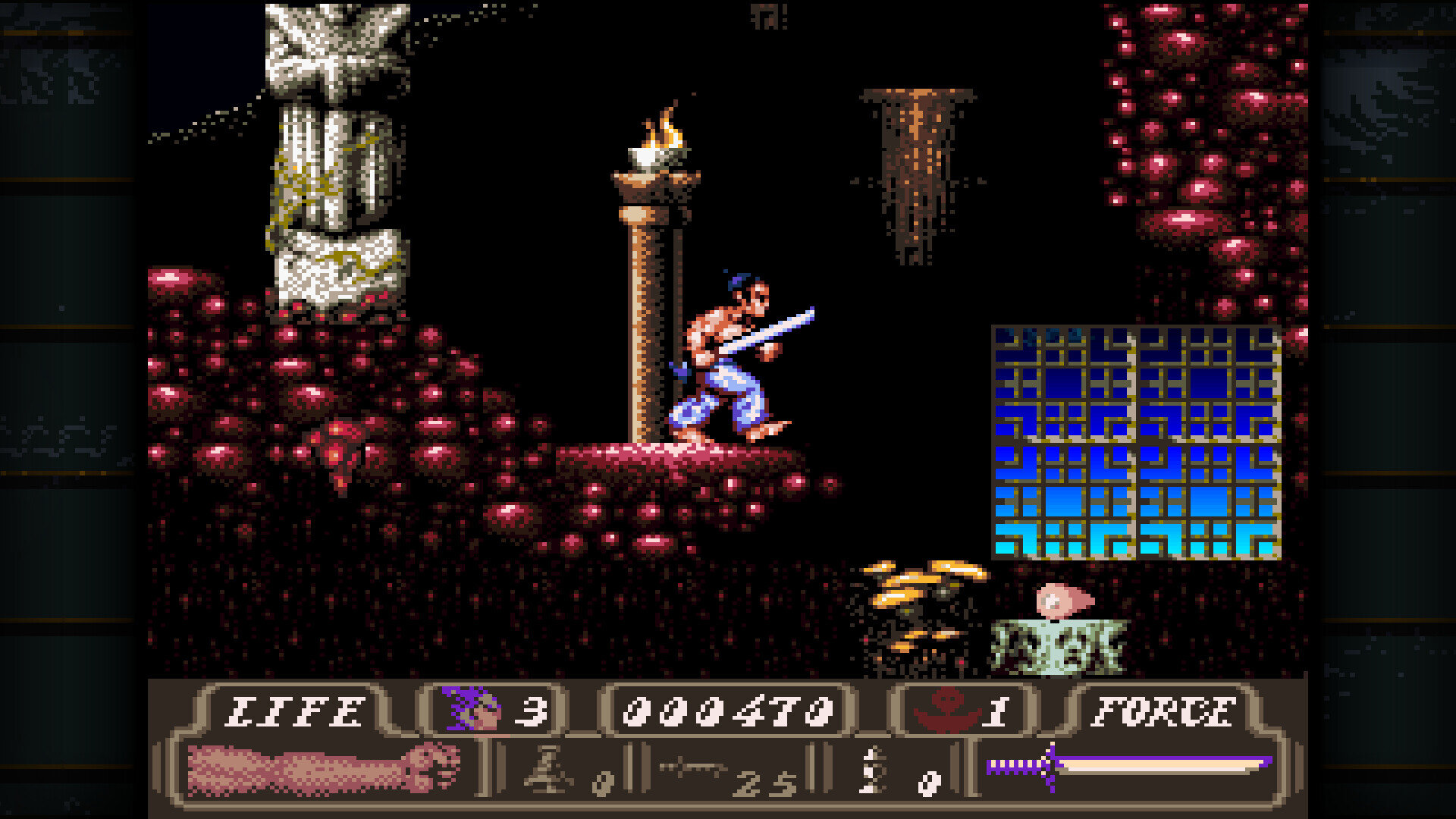
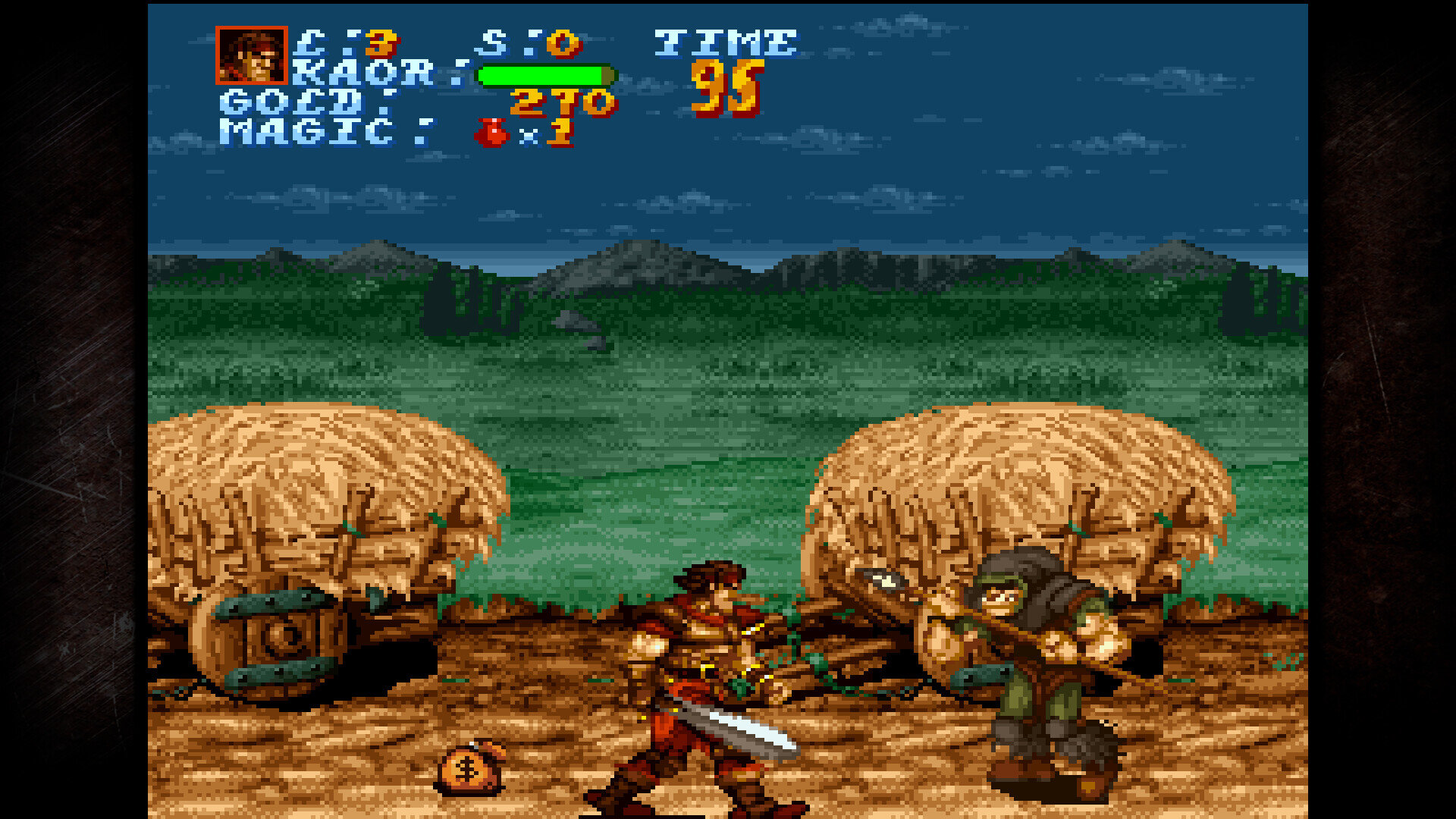
First Samurai kicks things off with its odd mix of platforming and swordplay, feeling more patient than your typical punch-heavy brawler. Its sequel, Second Samurai, refines that formula with more dynamic movement and punchier boss battles. Gourmet Warriors—also known as Gourmet Squad—injects a tongue-in-cheek food theme into the action, which is delightfully quirky if a bit one-note in the long run. Iron Commando plays like an arcade homage stripped down to its essentials, while Legend transports you to a medieval fantasy landscape full of orcs and skeleton warriors.
Water Margin: A Tale of Clouds and Wind brings Chinese martial arts flair and vertically scrolling stages, making it feel fresh even today. Finally, Sword of Sodan closes the collection with its slow, brutal clashes against massive bosses—an unconventional choice, but one that underscores the anthology’s dedication to variety.
Browsing the collection is a breeze thanks to a clean, well-organized interface that lets you scroll through titles, read digital replicas of original manuals, and tweak settings before you load up any game. QUByte’s emulation shines here: I experienced zero frame drops, fast load times, and a flawlessly smooth rewind feature that saved me more than once during chaotic boss rushes. And for purists or mood-setters, there are CRT filters, custom scanlines, and border options that let you dial in anything from a pixel-perfect look to an old-school arcade glow.
QUByte wisely packed the collection with quality-of-life features that make revisiting these classics a joy instead of a chore. You can drop save states wherever you like, so brutal difficulty spikes no longer mean days of lost progress. The rewind function reaches back up to thirty seconds, giving you just enough runway to correct a mistimed jump or a sudden enemy swarm.
Controls are fully remappable, letting you tailor button layouts to modern controllers, and a cheat menu offers infinite health, unlimited lives, or slowed-down action if you’d rather savor the spectacle than fight for every life.
While the soundtracks vary in quality—some tracks are infectious chiptunes, others loop louder than a jazz musician on repeat—the collection’s audio options help you strike the right balance. A global volume slider and per-game mute toggles mean you never have to mute your console mid-play.
The real treasure trove, though, lies in the extras: developer essays that peel back the curtain on each game’s creation, an art gallery packed with promo art and box scans, and a music jukebox that lets you sample the sonic highlights at leisure. These additions feel like a love letter to an era when documentation was sparse and many of these titles almost vanished into obscurity.
Beat ’Em Up Collection dazzles by shining light on hidden gems you probably haven’t encountered. Its seamless performance and comprehensive feature set mean you can appreciate these games without fighting emulator quirks or outdated design—and that’s a huge win for anyone who’s ever thrown a controller in frustration.
Not every title lands perfectly. Some entries lean so heavily into platforming or RPG-lite elements that they lose the brawler’s visceral punch, and a few difficulty spikes veer into unfair territory. The absence of online multiplayer feels like a missed chance, especially in an era when digital co-op is practically standard.
If your retro library is already overflowing with every Streets of Rage or Final Fight reissue, this collection won’t dethrone those classics. But it will broaden your horizons with an eclectic mix of offbeat titles, all wrapped in a polished package that respects both the past and present. Priced modestly, littered with extras, and built on rock-solid emulation, it’s a must-own for anyone eager to explore the genre beyond its biggest names.
Trailer
Article By Kevin Austin