Resident Evil: Requiem Review
Resident Evil: Requiem

Publisher: Capcom
Developer: Capcom
Genre:
PEGI:
Comments:
Resident Evil: Requiem is not simply a return to form for the franchise—it is a reckoning. It feels like a game made by creators who sat down and asked themselves what *Resident Evil* is actually supposed to feel like when you strip everything else away. The answer, here, is fear that lingers, grief that weighs heavy, and survival that comes at a genuine emotional cost.
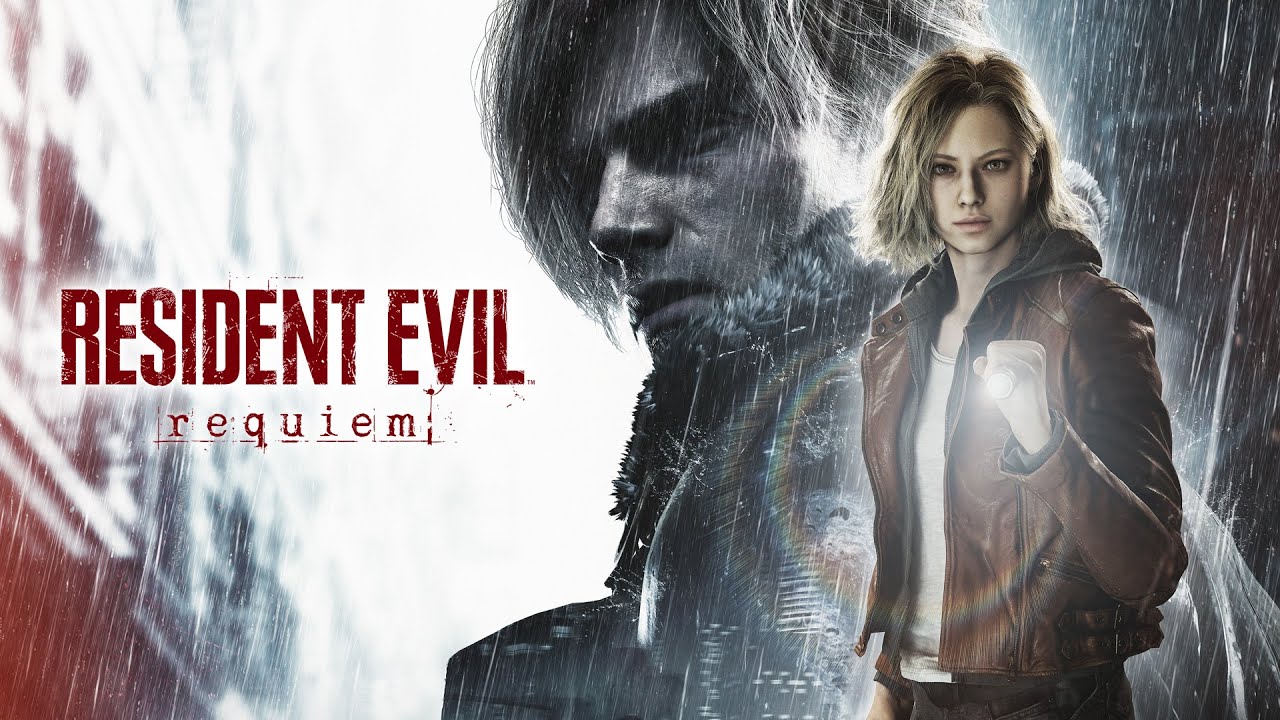
This is a game that does not chase spectacle or adrenaline. It does not try to overwhelm you with constant action or exaggerated set pieces. Instead, it tightens its grip slowly, patiently, and with absolute confidence. Requiem understands that true horror is not loud. It is quiet, persistent, and deeply uncomfortable. It is the kind of fear that stays with you after you stop playing.
From the opening moments, the game establishes a tone that never wavers. This is not a power fantasy. This is a descent.
The atmosphere in Resident Evil: Requiem is its single greatest achievement, and arguably one of the strongest the series has ever delivered. Every environment feels oppressive, not because it is filled with danger at every turn, but because it constantly suggests that danger could be anywhere. Silence hangs thick in the air. Rooms feel abandoned in ways that don’t feel natural. Hallways stretch just a little too long, and corners feel like questions you don’t want answered.
Lighting is used with extraordinary restraint and intent. Darkness is not just a visual aesthetic but an active threat. Limited visibility forces you to commit to movement without certainty, and shadows often feel more threatening than the enemies themselves. You are never quite sure whether what you saw move was real, or whether your own fear is starting to betray you.

What makes the atmosphere so effective is how rarely the game gives you relief. Even moments that should feel safe are tinged with unease. Save rooms feel less like sanctuaries and more like temporary shelters—places where you can breathe, but never fully relax. The tension never truly breaks, and that consistency is what makes *Requiem* so suffocating in the best possible way.
At its core, Resident Evil: Requiem tells one of the most mature and emotionally grounded stories the franchise has ever attempted. Rather than focusing on escalating global threats or convoluted conspiracies, the narrative turns inward. The catastrophe has already happened. What the game explores is what comes after, when survival itself becomes a burden.
The story is deeply concerned with grief, memory, and guilt. It asks what it means to live through something that should have killed you, and whether survival always deserves to be called a victory. The protagonist is not framed as a hero in the traditional sense, but as someone carrying invisible wounds that shape every interaction and decision. Their restraint feels deliberate. Dialogue is sparse, and when characters do speak, their words carry exhaustion rather than bravado.
Environmental storytelling does much of the narrative work, and it is all the stronger for it. Notes, recordings, abandoned spaces, and half-finished lives tell stories that are never spelled out explicitly. The world feels less like a setting and more like a graveyard of interrupted routines. The horror is not just in what happened, but in how ordinary life once was before it collapsed.
The title Requiem feels painfully appropriate. This is a game about endings—of people, of places, and of the illusion that anyone can walk away unchanged.
Mechanically, Resident Evil: Requiem commits fully to the philosophy of survival horror, and it never compromises that vision. Resources are scarce enough to force constant tension, but not so limited that the game feels unfair. Every bullet matters. Every healing item feels precious. The game regularly puts you in situations where there is no perfect choice, only the least damaging one.
Combat is deliberately uncomfortable. Weapons lack the slick responsiveness of modern shooters, and that friction is intentional. Reloading takes time. Aiming under pressure is difficult. Enemies move unpredictably and refuse to be neatly controlled. Fighting always feels like a risk, and often like a mistake.
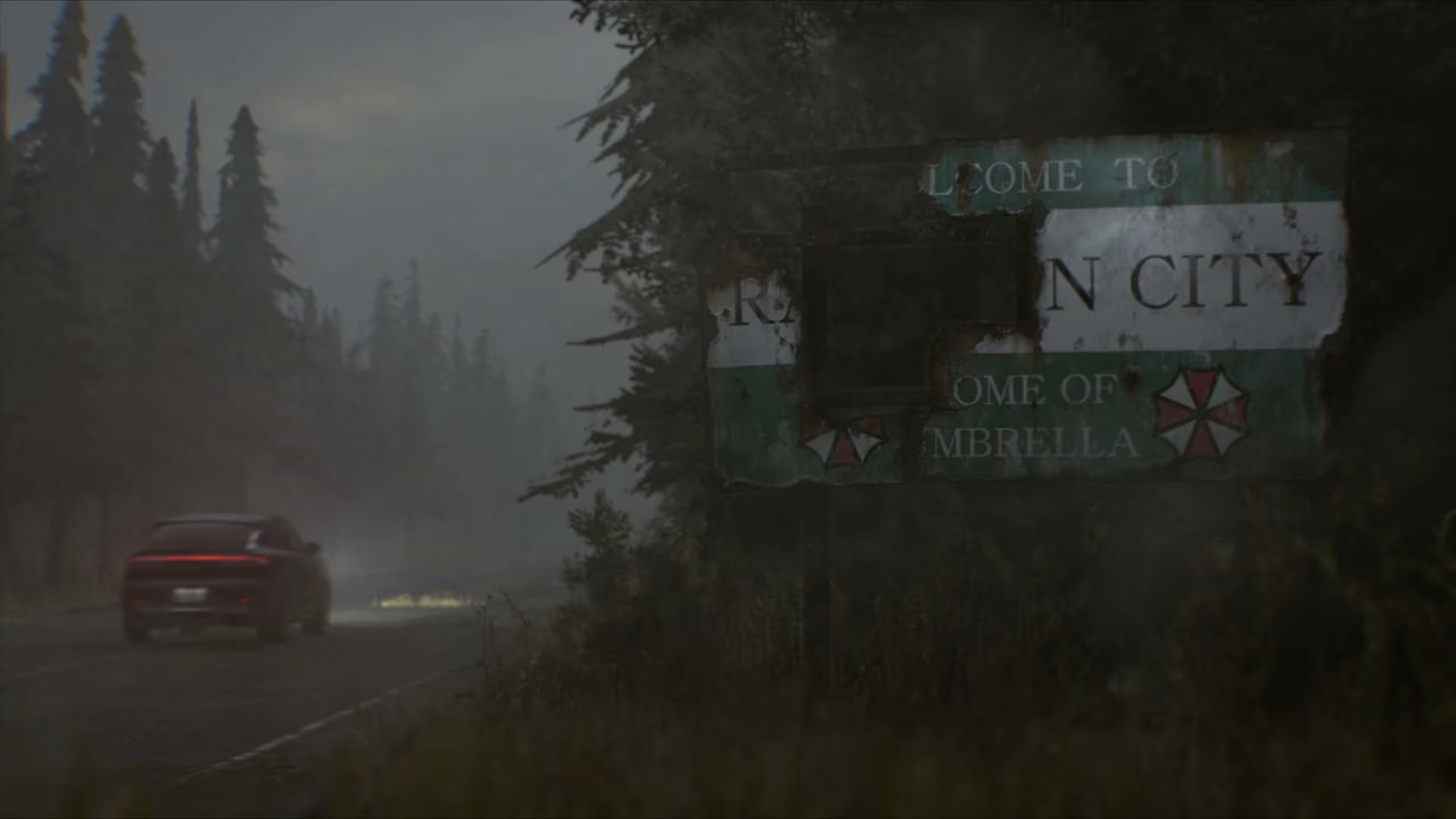
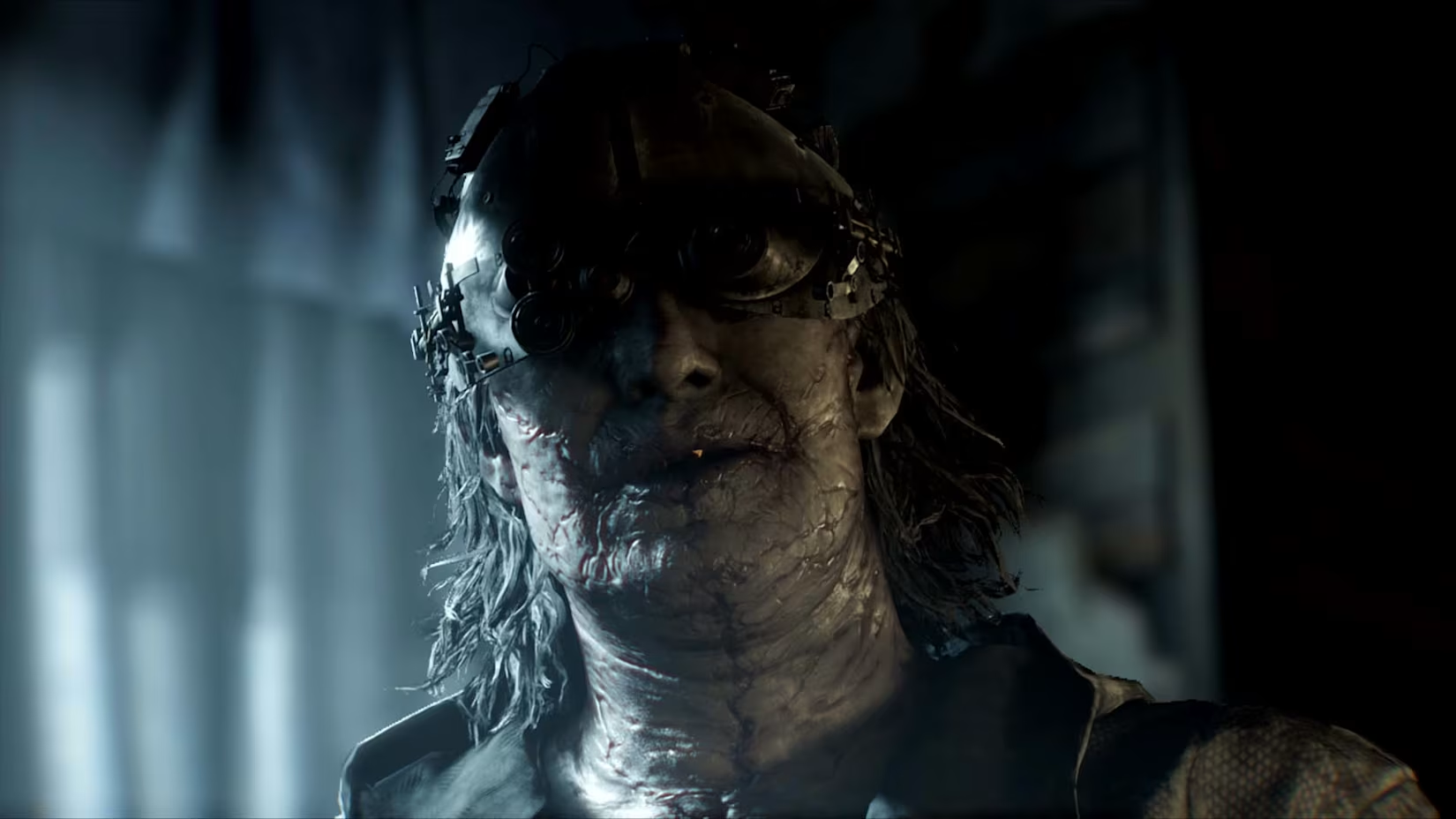
Rather than overwhelming the player with sheer numbers, the game focuses on presence. Enemies feel heavy and threatening, and some encounters are designed less around defeating a foe and more around surviving their proximity. Certain threats dominate entire areas, forcing you to rethink how you move through spaces you once considered safe.
The result is combat that feels tense, messy, and deeply stressful—in other words, exactly what survival horror should be.
Exploration in Requiem is slow, methodical, and deeply rewarding. The world is built around interconnected spaces that encourage backtracking, but the game ensures that returning to familiar areas never feels comfortable. Subtle environmental changes, altered lighting, and new sounds keep locations feeling unstable, as though the world itself is reacting to your presence.
Puzzles feel rooted in the environment rather than abstract game logic. They demand attention, patience, and observation, often requiring players to engage deeply with the space around them. Some puzzles are deliberately obtuse, evoking the series’ classic design philosophy, but they rarely feel arbitrary. When solutions click, they feel earned.
What stands out most is how the world seems to remember you. Places do not reset emotionally. They carry the weight of what happened there, and that weight lingers every time you return.
The audio design in Resident Evil: Requiem is exceptional, and arguably just as important as its visuals. Ambient noise dominates the soundscape, creating constant unease. Distant footsteps, subtle breathing, environmental creaks, and low-frequency hums make it feel as though something is always nearby, even when nothing is visible.
Music is used sparingly, and with great care. Often, there is none at all, allowing silence to do the work. When the score does emerge, it tends to underscore emotional moments rather than action, reinforcing the game’s psychological focus. These musical cues feel earned, and they land with surprising emotional weight.
Voice performances are restrained and grounded. Characters sound tired, worn down, and human. There is no melodrama here—only the quiet fatigue of people who have survived too much.
One of Requiem’s greatest strengths is its pacing. The game is not afraid to slow down, and it trusts the player to remain engaged without constant stimulation. Long stretches of quiet exploration build tension naturally, making moments of danger feel sharper and more impactful when they finally arrive.
Importantly, the game never feels bloated. Every section feels purposeful, and the experience knows exactly when to conclude. The ending does not overstay its welcome or dilute its themes. Instead, it leaves you with a lingering sense of unease and reflection.
Replayability in Resident Evil: Requiem is rooted in mastery rather than novelty. Higher difficulty modes significantly change how the game must be approached, increasing pressure without resorting to cheap tricks. Resource management becomes harsher, enemies more aggressive, and mistakes more punishing.
Optional areas and hidden lore reward exploration and curiosity, while unlockables provide incentive for repeat playthroughs without undermining the horror. Even when you know what’s coming, the game retains its power. Familiarity reduces surprise, but it does not erase tension.
Resident Evil: Requiem earns its perfect score not by trying to be everything, but by committing fully to what it wants to be. It understands that horror is not about empowerment, but about vulnerability. It strips away excess, resists modern shortcuts, and trusts atmosphere, pacing, and restraint to do the heavy lifting.
This is a game that respects its audience enough to challenge them emotionally as well as mechanically. It does not chase trends. It does not apologize for being slow, uncomfortable, or demanding. It commits to its vision completely—and that confidence shows in every detail.
Resident Evil: Requiem is not just one of the best entries in the franchise. It is one of the finest survival horror experiences ever made.
Article By Kevin Austin