Madden 26 Review
Madden 26
Release: August 14, 2025
Publisher: EA
Developer: EA Sports
Genre:
PEGI:
Comments:
Publisher: EA
Developer: EA Sports
Genre:
PEGI:
Comments:
I’ve spent the last week living in the pocket with Madden NFL 26 on Xbox Series S, and for the first time in a long while, it feels like EA’s football sim is finally moving the chains instead of punting on third down. The on-field speed is snappier, animations finally sell contact without looking like a physics experiment gone wrong, and the broadcast package wraps the whole thing in a Sunday-afternoon vibe that makes even a midseason matchup feel like a big deal. It’s not flawless—Ultimate Team still has its familiar grind and there are some launch-window hiccups—but if you’ve been waiting for a reason to come back, this is the most confident Madden in years.
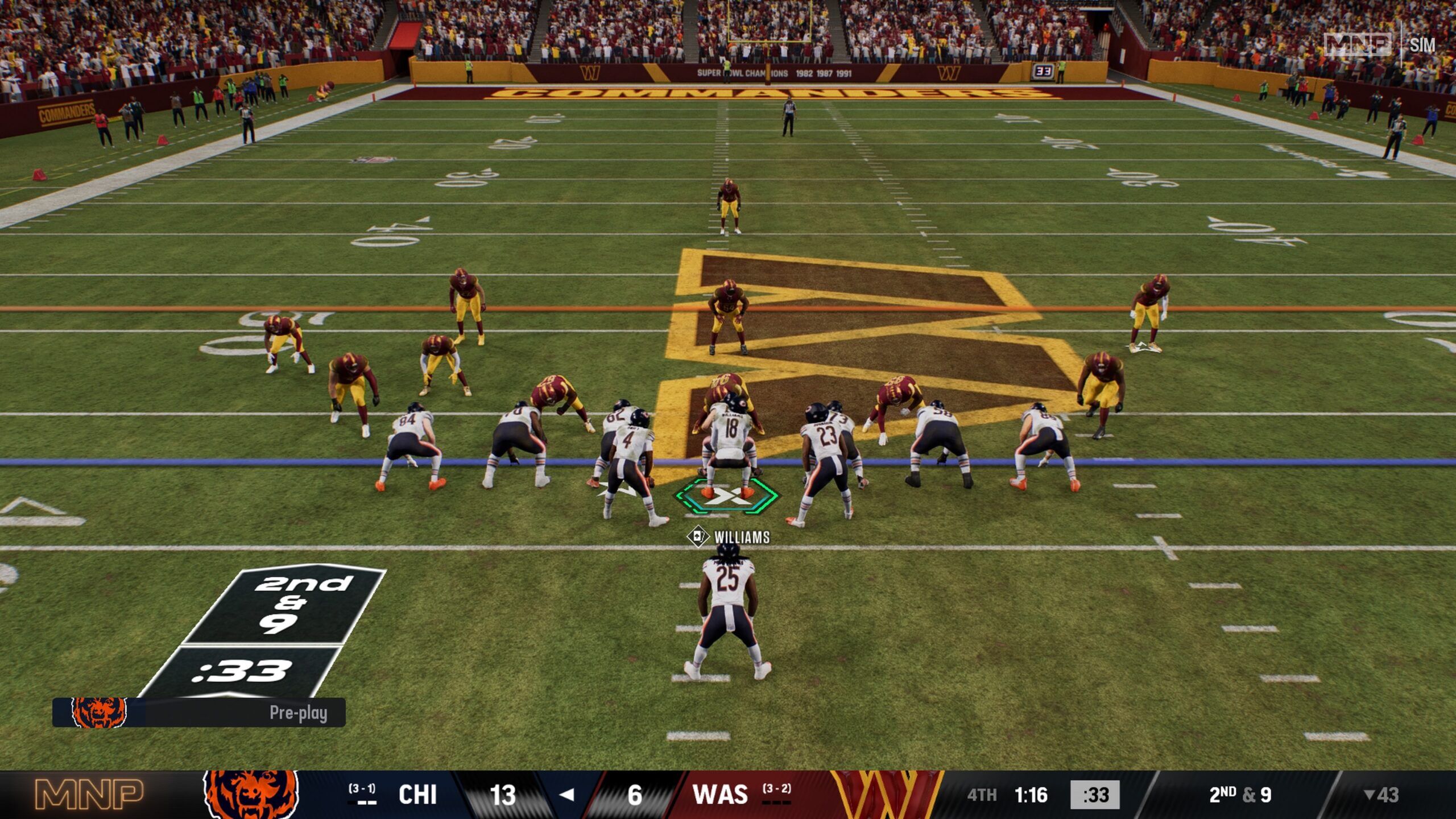
The first thing you notice is how much better it feels just to move. Skill players hit their cuts with intent. Quarterbacks step, reset, and get the ball out with throwing animations that finally look distinct instead of copy-pasted. Defensive pursuit has a welcome sense of weight without the old “magnet tackle” effect. It’s still recognizably Madden, but it finally has that extra half-step of responsiveness longtime fans have been begging for.
Under the hood, the new Wear and Tear system changes how you think about a season. You can pound your star running back through a snowstorm to steal a win in November, but you’ll feel those miles in December. The system tracks hits and workload over time, and the cumulative effect shows up on Sundays in a way that nudges you toward smarter rotations without turning the depth chart into a spreadsheet. Pair that with dynamic weather that actually impacts footing, stamina, and ball control, and you’ve got a game that feels closer to true simulation than it has in years.
Franchise mode has been the series’ neglected child for too long, but Madden 26 finally gives it some love. The big addition is Coach Archetypes—Offensive Guru, Defensive Guru, and Development Wizard—each with unique perks that reshape how you build a roster and call plays. It’s not reinventing the wheel, but in Madden terms, it’s a big leap forward. The new Coach DNA system and weekly playbook adjustments make planning feel like actual coaching instead of just clicking through menus.
There’s also a season-long injury tracking model that makes protection and sacks matter across months, not just downs. The rhythm of a week now has a heartbeat: scouting, practice, and playbook tweaks flow into broadcast-style recaps that make Week 9 in a rebuild feel just as alive as a prime-time playoff push. There’s still room to grow—front-office drama and contract negotiations could use more depth—but Franchise no longer feels like an afterthought.
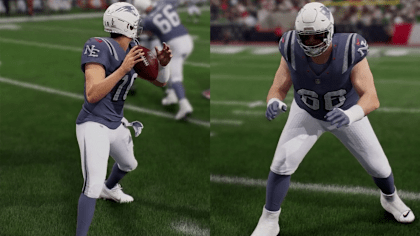
Superstar mode introduces the Sphere of Influence system, and it’s surprisingly engaging. Building relationships with your coach, agent, teammates, and even fans isn’t just flavor text; it unlocks practical perks like more snaps, playbook control, or trade leverage. It’s still not an open-world sports RPG, and it doesn’t match the breadth of some competitors’ career modes, but it’s the most invested I’ve felt in Madden’s “become the guy” journey in years because the relationships actually matter on game day.
There are hiccups. Some interactions feel over-weighted while performance moments don’t always influence the right metrics, but the framework is promising. If EA leans into story beats and consequence next year, Superstar could become something special. For now, it’s a compelling side hustle to a long Franchise save.
EA’s presentation team has been busy, and it shows. Scott Hanson’s inclusion brings welcome credibility, and the prime-time packages for Thursday, Sunday, and Monday nights sell the idea that you’re stepping into a national broadcast, complete with unique scorebugs, music stings, and glossier intros. Team entrances, mascots, sideline cams—the whole thing feels curated rather than stitched together, and it’s the most authentic NFL atmosphere the series has ever had.
The little touches matter. Stadium lighting breathes with time of day, celebrations are more varied, and the soundtrack is strong enough that you’ll actually leave it on. The cumulative effect is immersion. You don’t just play a game; you attend one.
Ultimate Team remains the mode that inspires both obsession and eye rolls. The core loop is unchanged—build, grind, spend if you want to shortcut—but quality-of-life fixes matter. Post-pack management is snappier, with quicker ways to slot upgrades without wading through molasses-thick menus, so you spend more time on the field and less time arguing with UI. For newcomers, solo challenges still provide a viable on-ramp, but the online ladder is as ruthless as ever unless you’re ready to put in hours—or dollars.
On Microsoft’s smaller box, the game feels smooth and visually clean. You won’t mistake Series S for a maxed-out PC or Series X in texture density, but the lighting work and weather effects still pop, and the animation upgrades carry the day. The most meaningful difference is consistency: fewer animation hitches, better transition states after contact, and more readable pockets make it easier to execute what’s in your head.
The one caveat is menus. They’re improved over last year, but stutters persist here and there, especially after long sessions bouncing between modes. It’s better, not perfect, and that’s still on the community’s wish list.
It wouldn’t be a modern sports game without early-patch chatter. A recent title update landed with minimal communication, and several known issues—from playbook favorites bugs to occasional menu freezes—are still hanging around. The fundamentals are strong, but it’s fair to want more transparency when patches drop.
On Xbox Series S, Madden NFL 26 finally gives me that old ritual back: leaning forward on third-and-seven, reading leverage, and trusting the game to let me be right or wrong on my own terms. The speed and animation work make football feel like football, Franchise wakes up with strategic bite, and the broadcast wrapper sells the fantasy week after week. Ultimate Team is still Ultimate Team, and launch-window bugs remind you this is a live service era, but none of that overrides how much fun it is to simply kick off and compete.
If you bounced off recent Maddens, this is the year to check back in. If you’ve been faithful all along, this is the payoff you’ve been waiting for. And if you’re on Series S, you’re not getting a compromised shadow of the “true” version—you’re getting the best Madden has felt in years.
Trailer
Article By Kevin Austin